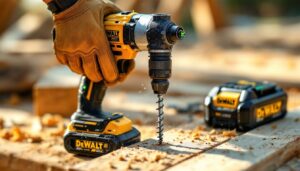
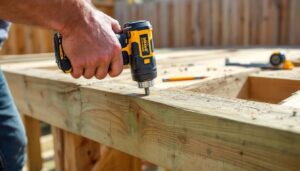
A 1/4 inch impact driver sits in a unique spot in the power tool lineup, compact enough for tight spaces, powerful enough for most fastening tasks, and often overlooked by DIYers who don’t realize what they’re missing. Unlike the more common 1/4 inch hex drill driver or the beefier 1/2 inch impact wrench, this tool delivers rotational force (torque) through rapid concussive blows, making it ideal for driving screws without stripping heads or wearing out your wrist. If you’ve ever muscled through a deck project with a standard drill or struggled to reach a cabinet hinge in a cramped corner, a 1/4 impact driver changes the game entirely.
Table of Contents
ToggleKey Takeaways
- A 1/4 impact driver uses rapid concussive blows to deliver 800–1,800 inch-pounds of torque, making it ideal for driving screws faster and with less wrist strain than a standard drill.
- The compact 5–7 inch design and one-handed operation of a 1/4 impact driver make it perfect for tight spaces like cabinets, crawlspaces, and between studs where traditional power tools won’t fit.
- Choose a cordless brushless model with 1,200–1,800 inch-pounds of torque, variable speed control, and an LED work light for versatility across decking, framing, cabinet assembly, and furniture projects.
- Always use impact-rated hex bits designed to absorb shock; standard drill bits will shatter under the hammering action of an impact driver.
- A quality 1/4 impact driver can drive 200–400 screws per 2.0Ah battery charge, delivering 3–5 times faster fastening speed than a standard drill while reducing cam-out and stripped screws.
What Is a 1/4 Impact Driver and How Does It Work?
A 1/4 impact driver is a power tool designed specifically for driving fasteners, screws, bolts, and lag screws, using a combination of rotational force and concussive impacts. The “1/4 inch” refers to the hex chuck size, which accepts standard 1/4 inch hex-shank bits (the same bits used in drill drivers, but impact-rated versions hold up better under the tool’s hammering action).
Inside the tool, a spring-loaded hammer and anvil mechanism delivers rapid bursts of force, up to 3,000 impacts per minute on some models, when resistance increases. This means the motor doesn’t bog down or stall when driving long screws into dense material like hardwood or framing lumber. Instead, the impact mechanism kicks in, driving the fastener home without cam-out (that frustrating moment when the bit slips out of the screw head).
The result? Less strain on your wrist, longer battery life per charge (on cordless models), and faster work. A quality 1/4 impact driver typically delivers 800 to 1,800 inch-pounds of torque, which is plenty for cabinet screws, drywall, decking, and light framing. For comparison, a standard drill driver usually tops out around 400-500 inch-pounds and relies on constant pressure from the user.
Key Differences Between 1/4 Impact Drivers and Other Power Tools
Homeowners often confuse impact drivers with drills or impact wrenches. Here’s how the 1/4 inch impact driver stands apart:
Impact Driver vs. Drill Driver: A drill driver has a clutch that disengages when resistance hits a set level, preventing overtightening but also limiting power. An impact driver has no adjustable clutch, it uses impacts to push through resistance. Drills excel at boring holes (especially with twist bits): impact drivers shine at driving fasteners. You can drill with an impact driver using hex-shank bits, but the lack of a clutch and the hammering action make it less precise.
1/4 Inch vs. 1/2 Inch Impact Drivers: The 1/2 inch models (often called impact wrenches) use a square anvil and are built for automotive work, lug nuts, suspension bolts, and heavy machinery. The 1/4 inch version uses a hex chuck and is lighter, more compact, and better suited to construction and woodworking fasteners. If you’re working on a home project, the 1/4 inch is the right call.
Impact Driver vs. Hammer Drill: A hammer drill delivers linear impacts (back and forth) to punch through masonry, brick, or concrete. An impact driver delivers rotational impacts (twisting) to drive fasteners. They’re not interchangeable, a hammer drill won’t drive screws efficiently, and an impact driver won’t drill into a concrete wall.
For most home projects, deck builds, cabinet installation, furniture assembly, fence posts, the 1/4 impact driver is the versatile workhorse.
Top Benefits of Using a 1/4 Impact Driver for Home Projects
Once you pick up a 1/4 impact driver, you’ll wonder how you managed without one. Here’s why:
Speed: The impact mechanism drives screws 3-5 times faster than a standard drill. On a deck or fence project with hundreds of fasteners, that time savings adds up. Professional woodworking project plans often assume impact drivers for efficiency.
Less Fatigue: The tool does the work, you just guide it. No need to lean your full body weight into the tool or twist your wrist to keep screws moving. This matters on big jobs like framing a wall or installing a hardwood floor.
No Stripped Screws: The hammering action keeps the bit seated in the screw head, drastically reducing cam-out. This is especially valuable with softer screw heads (like brass or aluminum) or when working overhead.
Compact Size: Most 1/4 impact drivers are 5-7 inches long (head to handle), making them ideal for tight spaces, inside cabinets, between studs, or under sinks. A drill driver often can’t fit where you need it.
Battery Efficiency: Because the motor doesn’t stall under load, cordless impact drivers draw less current and deliver more fasteners per charge. Expect 200-400 screws on a single 2.0Ah battery, depending on material.
One-Handed Operation: The lightweight design (typically 2-3 pounds with battery) and balanced grip allow you to drive screws one-handed while holding material in place with the other, a huge advantage when working alone.
How to Choose the Right 1/4 Impact Driver for Your Needs
Not all 1/4 impact drivers are created equal. Here’s what to consider before you buy.
Corded vs. Cordless: Which Is Better for DIY Work?
Cordless models dominate the market for good reason. They’re portable, eliminate trip hazards, and modern lithium-ion batteries (18V or 20V Max platforms) deliver plenty of runtime. A quality cordless 1/4 impact driver will handle a full day of weekend projects on a single charge. Look for tool-only options if you already own batteries in a brand’s ecosystem (Milwaukee M18, DeWalt 20V Max, Makita 18V LXT, etc.), or buy a kit with two batteries and a charger if you’re starting fresh.
Corded impact drivers are rare but still available. They offer unlimited runtime and consistent power, making them suitable for high-volume production work (think cabinet shops or contractors who drive fasteners all day). For homeowners, corded models are overkill, the cord becomes a nuisance, and the power advantage doesn’t matter for typical DIY projects.
Verdict: Go cordless unless you already own a corded tool platform. The freedom of movement outweighs any minor runtime concerns.
Essential Features to Look For
Torque: Look for 1,200 to 1,800 inch-pounds. Anything below 1,000 inch-pounds struggles with 3-inch deck screws or lag bolts. Higher torque also means the tool won’t bog down in dense hardwoods or engineered lumber.
Variable Speed Trigger: This lets you control driving speed, which is critical for delicate work (trim screws, cabinet hinges) or when you need to ease off before the screw bottoms out. Some tools also offer multiple speed/torque settings via a dial or button.
LED Work Light: A built-in light (usually near the chuck) illuminates dark corners, under sinks, inside closets, or in crawlspaces. This isn’t a gimmick: it’s genuinely useful.
Bit Holder: A magnetic collar or belt clip that holds spare bits saves trips to the toolbox. Not essential, but convenient.
Brushless Motor: Brushless motors run cooler, last longer, and deliver more torque per amp than brushed motors. Most modern cordless tools use brushless tech, but double-check. It’s worth the extra $20-30.
Hex Chuck: Confirm it’s a 1/4 inch hex, this is standard, but some ultra-compact models use proprietary chucks. Stick with standard hex for maximum bit compatibility.
Weight and Balance: Hold the tool before you buy if possible. A well-balanced driver feels like an extension of your arm. Top-heavy or rear-heavy tools cause fatigue.
Many home renovation tutorials recommend starting with a mid-range brushless model from a major brand, it’ll handle 90% of home projects without very costly.
Best Applications and Projects for Your 1/4 Impact Driver
A 1/4 impact driver excels at fastening tasks where speed, control, and access matter. Here’s where it shines:
Decking and Fencing: Driving hundreds of 2.5 to 3.5-inch deck screws or exterior fasteners is the classic use case. The impact action prevents the bit from slipping, and the speed cuts hours off the job. Use impact-rated bits (they have a torsion zone that absorbs shock) to avoid breaking bits mid-project.
Cabinet and Furniture Assembly: Whether you’re hanging wall cabinets, building flat-pack furniture, or installing drawer slides, the compact size and one-handed operation make tight spaces manageable. European hinge screws, pocket hole screws, and confirmation cam bolts all go in faster with an impact driver.
Drywall Hanging: While dedicated drywall screwguns offer depth-adjustable noses, a 1/4 impact driver with a dimpler bit or low torque setting can hang drywall efficiently. Just feather the trigger to avoid overdriving screws and tearing the paper face.
Framing and Structural Work: Lag screws, structural screws, and joist hangers all benefit from high torque and fast driving. For heavy-duty framing (like simpson strong-tie screws), a 1/4 inch driver handles most tasks, though a 1/2 inch impact wrench or larger hex driver might be faster for very long lags.
Trim and Finish Carpentry: Use low speed and a light touch for trim screws (especially in hardwoods like oak or maple). Pre-drill pilot holes to prevent splitting, then use the impact driver to seat screws without stripping heads.
Automotive and Light Mechanical Work: Small bolts, license plate screws, battery terminals, and interior panels respond well to a 1/4 impact driver with hex-shank sockets. It’s not a replacement for a 1/2 inch impact wrench, but it’s handy for light tasks.
What It’s NOT For: Don’t use a 1/4 impact driver for precision drilling (especially in metal or hardwood), the hammering action causes bit wander. Don’t use it for masonry or concrete (that’s a hammer drill’s job). And don’t use it with standard hex bits rated for drills, they’ll shatter under impact forces. Always use impact-rated bits.
Safety Note: Wear safety glasses whenever driving fasteners, broken bits or flying debris are real risks. If you’re driving fasteners all day, consider ear protection: impact drivers produce 85-100 dB, enough to cause hearing damage over time. For dusty environments (drywall, demo work), a dust mask is essential.
Many hands-on DIY tutorials emphasize prep work, measuring twice, pre-drilling pilot holes in hardwood, and using the right bit type. The tool is only as good as the setup.
Final Takeaway: A 1/4 inch impact driver is one of the most versatile tools in a DIYer’s arsenal. It’s faster than a drill, more compact than an impact wrench, and powerful enough for 90% of home fastening tasks. Whether you’re building a deck, hanging cabinets, or assembling furniture, this tool saves time, reduces fatigue, and delivers professional results. Invest in a quality cordless brushless model, keep a set of impact-rated bits on hand, and you’ll reach for this tool on nearly every project.