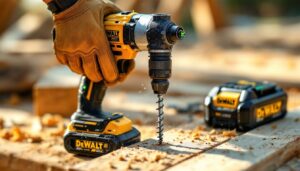
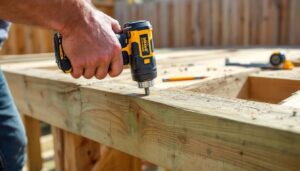
Walk into any jobsite or weekend DIYer’s garage, and you’ll spot those familiar yellow-and-black cases. DeWalt drill sets have earned their reputation through decades of reliability, but with dozens of combo kits flooding the market in 2026, choosing the right one isn’t as simple as grabbing the first box you see. Whether someone’s hanging drywall in a basement remodel, building deck furniture, or just tired of their bargain-bin drill stripping screws, the right DeWalt drill set can turn frustrating projects into satisfying ones. This guide cuts through the marketing noise to help homeowners match their actual needs, and budget, to the kit that’ll serve them for years.
Table of Contents
ToggleKey Takeaways
- DeWalt drill sets save 20–30% compared to purchasing tools separately and feature interchangeable 20V MAX batteries across 200+ compatible tools, making them a smart long-term investment for homeowners.
- Brushless motor technology improves runtime by 25–50% and torque by 15–20% compared to brushed motors, paying for itself within a year for frequent users but remaining optional for casual DIYers.
- Impact drivers rated at 1,500 in-lbs handle most residential fastening tasks including deck screws and lag bolts, while hammer drills add versatility for projects involving masonry or concrete foundations.
- Battery capacity directly affects runtime—a 5.0Ah battery provides 400+ holes compared to 150 from a 2.0Ah—so matching battery size to your project scope prevents frustrating downtime or unnecessary weight.
- Proper maintenance including storing batteries at 40–50% charge, using impact-rated bits in impact drivers, and checking the chuck for debris ensures your DeWalt drill set delivers years of reliable performance.
Why DeWalt Drill Sets Are a Smart Investment for Homeowners
DeWalt doesn’t dominate the power tool aisle by accident. Their drill sets typically pair a drill/driver with an impact driver, covering the two most common fastening tasks a homeowner faces. The drill/driver handles pilot holes, drilling into wood or metal, and general-purpose driving. The impact driver delivers rotational force in quick bursts, essential for driving long deck screws or lag bolts without wrist fatigue or cam-out.
Buying these tools as a set instead of individually saves 20–30% compared to purchasing separately, and they share the same battery platform. That interchangeability matters more than most realize. A homeowner who starts with a DeWalt drill set 20V can later add a reciprocating saw, circular saw, or oscillating tool without investing in new chargers or battery chemistries. The 20V MAX system (DeWalt’s naming convention for their 18V nominal lithium-ion platform) includes over 200 tools, making it one of the most versatile ecosystems available.
Durability is another factor. DeWalt drill sets feature metal chucks, reinforced housings, and brushless motors in mid-tier and premium models. Brushless motors run cooler, deliver more torque per battery charge, and last significantly longer than brushed equivalents, a critical consideration for anyone planning to use their tools beyond occasional picture-hanging duty. Most DeWalt combo kits include a three-year limited warranty, which covers defects but not wear-and-tear or abuse. That’s standard for professional-grade tools and a step up from the one-year coverage typical of budget brands.
What to Look for in a DeWalt Drill Set
Not all drill sets are created equal, even within the same brand. The first decision point is brushed versus brushless motors. Brushed motors use physical carbon contacts that wear down over time, generating heat and limiting efficiency. Brushless motors use electronic controls instead, improving runtime by 25–50% and torque output by 15–20%. For someone who’ll use their tools weekly, building furniture, framing a shed, or tackling multiple renovation projects, the extra cost of brushless pays off within the first year. Casual users who drill a few holes per month can get by with brushed models.
Chuck size on the drill matters for bit compatibility. A 1/2-inch keyless chuck is standard and handles everything from 1/16-inch twist bits to 1-inch spade bits. Some compact models use 3/8-inch chucks, which are lighter but limit large-bit capacity. For home use, stick with 1/2-inch unless portability is the top priority.
Impact drivers are rated in inch-pounds (in-lbs) of torque. A 1,500 in-lb impact driver handles most residential fastening, including 3-inch deck screws into pressure-treated lumber. Models rated at 1,800–2,000+ in-lbs are overkill for typical homeowner tasks but useful for lag bolts or structural fasteners. Don’t confuse impact drivers with hammer drills, the latter deliver linear hammering action for masonry drilling, while impact drivers provide rotational bursts for driving fasteners.
Battery Power and Runtime Considerations
Battery capacity, measured in ampere-hours (Ah), directly affects how long tools run between charges. A 2.0Ah battery might drill 150 holes in 2×4 framing lumber, while a 5.0Ah battery can handle 400+ holes. Larger batteries add weight, though, a 5.0Ah pack weighs nearly double a 2.0Ah. Most woodworking enthusiasts building cabinets or furniture appreciate the extra runtime even though the heft, but someone working overhead installing recessed lighting might prefer lighter 2.0Ah or 3.0Ah packs.
DeWalt’s FlexVolt batteries (20V/60V) automatically adjust voltage based on the tool. They’re backward-compatible with standard 20V tools, delivering extended runtime by using their higher capacity. A FlexVolt 6.0Ah battery provides the same runtime as a standard 20V 9.0Ah battery but can also power 60V tools like miter saws and grinders. For someone planning to build a comprehensive tool collection, FlexVolt-compatible sets offer future-proofing.
Charger speed varies widely. A standard charger takes 60–90 minutes for a 2.0Ah battery, while fast chargers cut that to 30–40 minutes. Sets with two batteries let someone work continuously, one in the tool, one on the charger. Single-battery kits force downtime unless additional batteries are purchased separately, which erodes the cost advantage of buying a set.
Top DeWalt Drill Sets for Different DIY Needs
Matching the kit to actual usage prevents both overspending and underbuying. Someone assembling IKEA furniture and hanging shelves needs different capabilities than someone framing a garage or building a deck.
Best Budget-Friendly Options
The DeWalt DCD771C2 remains a solid entry point for occasional users. This brushed motor drill/driver delivers 300 unit watts out (UWO) of power, adequate for drilling pilot holes and driving screws into softwood or drywall. The set includes two 1.3Ah batteries, a charger, and a contractor bag. At around $99–$129 (prices fluctuate with retailer promotions), it’s half the cost of brushless combos. The trade-off is runtime and longevity. Someone using it monthly for picture hanging, minor repairs, and furniture assembly will get years of service. Someone building a fence or renovating multiple rooms will quickly outgrow it.
For those wanting an impact driver without jumping to premium pricing, the DCK240C2 pairs a brushed drill/driver with a 1/4-inch hex impact driver rated at 1,400 in-lbs. This dewalt drill and impact set covers most residential fastening tasks. The impact driver makes quick work of deck screws, cabinet hardware, and lag bolts where a standard drill would struggle or strip heads. The two-tool combo typically runs $149–$179 with two 1.3Ah batteries. It’s a practical choice for homeowners tackling projects like deck building, fence installation, or kitchen cabinet assembly where fastener volume is high.
Premium Sets for Serious DIYers
Serious DIYers benefit from stepping up to brushless technology. The DCK2100P2 is DeWalt’s current mid-tier sweet spot, a dewalt drill impact combo with brushless motors in both tools. The drill/driver produces 340 UWO with a 1/2-inch chuck, while the impact driver delivers 1,700 in-lbs of torque. The set includes two 5.0Ah batteries, providing enough runtime for a full day of work on most projects. Someone framing a wall can drive hundreds of 3-inch screws without battery swaps. The kit runs $249–$299 depending on promotions and includes a charger and contractor bag.
For maximum capability, the DCK299P2 combines DeWalt’s 20V brushless hammer drill (DCD996) with their premium impact driver (DCF887). The hammer drill’s percussion function tackles masonry, drilling into concrete, brick, or block for anchors or electrical boxes. Hammer drills are heavier than standard drills (about 3.5 lbs vs. 2.8 lbs without battery), but the versatility matters when a project involves both wood framing and concrete foundation work. The impact driver’s 1,825 in-lbs handles even stubborn lag bolts. This dewalt impact driver kit typically retails for $349–$399 with two 5.0Ah batteries.
Many renovation professionals working on older homes appreciate hammer drill capability, mounting ledger boards to concrete foundations, installing outlets in masonry walls, or anchoring deck posts. The DCK299P2’s brushless motors and robust construction justify the premium for anyone taking on multiple projects annually. DeWalt backs this set with the same three-year warranty, but the brushless design means fewer maintenance concerns over its lifespan.
How to Maximize the Value of Your DeWalt Drill Set
Getting the most from any tool investment starts with proper care. Lithium-ion batteries perform best when stored at 40–50% charge in moderate temperatures (50–70°F). Extreme cold reduces runtime, while heat accelerates capacity loss. Someone working in an unheated garage during winter should bring batteries indoors between sessions to maintain performance.
Bit quality affects results more than most realize. A $5 set of twist bits will dull quickly, burn wood, and produce oversized holes. Investing $30–$40 in a quality bit set, Bosch, Milwaukee, or DeWalt’s own Pilot Point bits, pays off in cleaner holes and longer bit life. For driving, use impact-rated bits in the impact driver. Standard bits can shatter under the rotational hammering action. Impact bits have reinforced torsion zones that flex slightly, absorbing the shock.
Clutch settings on the drill/driver prevent overdriving screws, which strips heads or splits wood. Most DeWalt drills offer 15+ clutch positions plus a drill mode. Someone installing cabinet hardware should start at clutch setting 3–5 and adjust until screws seat flush without sinking. The drill mode (usually marked with a drill bit icon) disengages the clutch entirely for drilling operations.
Maintenance for DeWalt tools is minimal but important. Every few months, check the chuck for debris, sawdust and metal shavings can prevent bits from seating fully, causing wobble or slippage. Clean with compressed air or a stiff brush. If the chuck loosens during use, hand-tighten it firmly: most keyless chucks have a textured grip that provides sufficient torque. Avoid using pliers or wrenches, which can damage the chuck mechanism.
Battery care extends tool life. Don’t run batteries until they’re completely dead, lithium-ion chemistry prefers partial discharge cycles. Most DeWalt tools have built-in protection that shuts down before damage occurs, but repeatedly running batteries to cutoff shortens their lifespan. Keep a second battery charged so work can continue without pushing the first battery to exhaustion.
For someone building a larger tool ecosystem, expert reviews often highlight which models offer the best balance of features and cost. Investing in additional 5.0Ah batteries and a fast charger makes more sense than buying multiple single-battery kits. The battery platform is the real investment, the tools are just motors and switches that connect to it.
Understanding warranty coverage prevents surprises. DeWalt’s three-year warranty covers manufacturing defects but excludes normal wear (carbon brushes, battery capacity fade) and damage from misuse. Keep the receipt and register tools online within 30 days for easier warranty claims. DeWalt’s service center network handles repairs, though turnaround can take 2–3 weeks during busy seasons.
Finally, match tool to task. Don’t use an impact driver for drilling, the pulsing action produces ragged holes and breaks bits. Don’t use a standard drill to drive long screws into hardwood or pressure-treated lumber, the twisting force can injure wrists and the drill will struggle. Each tool in a dewalt drill set 20v has its purpose, and using them correctly delivers better results with less effort.