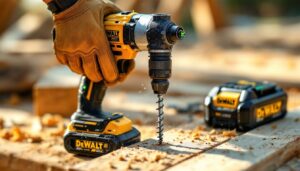
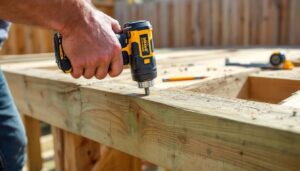
Impact drivers have transformed how DIYers and pros drive fasteners, delivering high torque with minimal wrist strain. But the driver itself is only half the equation, the bits you choose determine whether you’ll power through deck framing or strip out screws in soft pine. Unlike standard drill bits, impact driver bits are engineered to handle the percussive force these tools generate, typically delivering up to 1,500 inch-pounds of torque through rapid rotational bursts. Using the wrong bit, or a worn-out one, turns that power into cam-out, damaged fasteners, and wasted time. This guide walks through what makes impact bits different, which types belong in your kit, and how to match bits to fasteners so projects stay on track.
Table of Contents
ToggleKey Takeaways
- Impact driver bits are engineered with hardened steel (60–62 HRC) and flexible torsion zones to withstand the percussive force and up to 1,500 inch-pounds of torque that standard drill bits cannot handle.
- Match impact driver bits to fastener type—Torx bits outlast Phillips by five times or more in heavy-duty applications, while square drive bits resist cam-out and reduce wrist fatigue in deck and framing work.
- Replace worn impact driver bits every 100 fasteners or when tips appear shiny or rounded, as using dull bits causes cam-out, stripped screw heads, and potential bit failure under load.
- Invest in mid-tier quality impact bits from trusted brands and focus on duplicates of common sizes (#2 Phillips, T25 Torx) rather than bulk 40-piece sets filled with rarely-used profiles.
- Always pre-drill pilot holes in hardwoods and near board edges before using impact drivers, and avoid using impact-rated bits in standard drills or vice versa to prevent damage and injury.
What Are Impact Driver Bits and Why They Matter
Impact driver bits look similar to standard insert bits, but they’re built to absorb shock loads that would shatter chrome-vanadium bits designed for drills. The key difference lies in hardness and torsion zones. Most impact-rated bits use a steel alloy heat-treated to 60–62 HRC (Rockwell hardness scale) at the tip for wear resistance, with a softer, flexible torsion zone near the shank that flexes under impact without fracturing.
When an impact driver fires, it delivers rotational blows several times per second, around 3,000 to 4,000 impacts per minute in most cordless models. Standard bits can’t flex enough to dissipate that energy, leading to cracked tips or twisted shanks. Impact bits sacrifice some brittleness for ductility, allowing them to bend slightly and spring back.
You’ll find impact bits in two main shank types: 1/4-inch hex (the universal standard for impact drivers) and 1-inch power bits with extended torsion zones for heavy-duty applications. The hex shank locks into the driver’s quick-release chuck, preventing spin-out under load. Always verify the bit packaging states “impact-rated” or shows the anvil icon, using drill bits in an impact driver voids most bit warranties and risks injury from shattered steel.
Bit geometry also matters. Impact bits often feature a proprietary tip design, whether it’s a reinforced Phillips recess or a precision-machined Torx star, that increases contact area and reduces cam-out. Cheaper bits skip these refinements, relying solely on hardness, which leads to faster wear and poor engagement in coated or hardened screws.
Types of Impact Driver Bits Every DIYer Should Know
Choosing the right bit starts with understanding drive types. Most impact driver bit sets include a mix of Phillips, square, Torx, and hex profiles. Here’s what each does best, and where they fall short.
Phillips and Square Drive Bits
Phillips bits (identified by their cross-shaped tip) remain the most common fastener interface in North America, used in drywall screws, deck screws, and general construction. They’re designed to cam out under excessive torque to prevent over-driving, but that’s a liability with impact drivers. Even impact-rated Phillips bits wear quickly when driven into hard materials or long fasteners. For deck work or framing, use #2 Phillips bits (the most common size) and replace them every few hundred screws, worn tips round over screw heads, especially in coated fasteners.
Cheaper bit sets often include #1 and #3 Phillips sizes, but most residential work lives in the #2 sweet spot. The exception: finish carpentry and cabinet hardware sometimes require #1 bits for smaller screws.
Square drive bits (also called Robertson) have a square recess that resists cam-out better than Phillips. They’re standard in Canada and increasingly common in the U.S. for structural screws and composite decking. The square geometry centers the bit and holds the screw on the tip, making one-handed driving easier. Tools featured in many home improvement tutorials often highlight square-drive fasteners for deck builds and framing because they reduce wrist fatigue and stripped heads.
Square bits come in #1, #2, and #3 sizes. Match the bit to the fastener, forcing a #2 bit into a #3 recess rounds the corners. For long impact driver bits (3-inch or longer), square drive offers better control in recessed applications like joist hangers or metal framing connectors.
Torx and Hex Bits
Torx bits (six-point star pattern) deliver the best torque transfer and longest bit life. They’re common in automotive work, but increasingly used in structural screws, GRK-style fasteners, and premium deck screws. The star geometry spreads force across six contact points, reducing wear and eliminating cam-out. For driving hundreds of 3-inch screws into pressure-treated lumber or metal, Torx bits outlast Phillips by a factor of five or more.
Torx sizes use a T-number system: T15, T20, T25, and T30 are most common in construction. Structural screws often use T25 or T30 heads. Keep a set in your bit set for impact driver work, once you use Torx for heavy fastening, you won’t go back to Phillips.
Torx Plus (a proprietary variant with rounded lobes) and security Torx (with a center pin) require specialized bits. Standard Torx bits won’t fit.
Hex bits (also called Allen or socket bits) drive bolts, lag screws, and machine screws. They’re available in SAE (fractional inch) and metric sizes. Common SAE sizes include 1/8″, 5/32″, 3/16″, and 1/4″: metric equivalents run from 3mm to 10mm. Hex bits wear less than Phillips but can round out bolt heads if the bit doesn’t fully seat. For lag screws in deck ledger boards or structural connections, use a magnetic hex bit to prevent the bit from walking out under impact.
Some bit sets include nut driver bits (external hex sockets) for driving hex-head bolts and self-tapping screws. These are useful for HVAC work, metal roofing, and assembling furniture, though a dedicated socket set gives better control for fasteners larger than 1/2″.
How to Choose the Best Impact Driver Bits for Your Projects
The best bit depends on three factors: fastener type, material hardness, and access. Here’s how to match bits to common scenarios.
For general carpentry and framing: A basic impact driver bit set with #2 Phillips, #2 square, and a few Torx (T20, T25) covers 90% of tasks. Look for sets that include 2-inch power bits rather than 1-inch insert bits, the longer torsion zone reduces breakage when driving into dense lumber or metal hangers. Many construction guides recommend keeping a dozen #2 Phillips bits on hand for framing and sheathing, since they’re expendable.
For decking and outdoor projects: Composite and pressure-treated lumber demand more from bits. Use Torx or square drive bits to avoid stripping coated screws. If your fastener supplier offers proprietary drive types (like SPAX or GRK), buy the matching bit, generic bits often fit poorly and wear faster. For long fasteners (3-inch or longer), long impact driver bits (up to 6 inches) provide reach into joists and beams without angling the driver awkwardly.
For metal and masonry fasteners: Self-tapping metal screws and Tapcon-style concrete anchors generate high torque. Use hardened Torx or hex bits, Phillips bits strip almost immediately in these applications. Some metal screws use square or combination drive heads: verify the bit seats fully before driving to avoid rounding the recess. For concrete anchors, pre-drill with a carbide masonry bit, then switch to the Torx or hex driver bit.
For tight spaces: Standard 2-inch bits often can’t reach recessed screws in electrical boxes, joist hangers, or cabinet hinges. Keep a set of 6-inch or longer impact driver bits for these situations. Right-angle adapters and offset bit holders also work, but they reduce torque transfer and increase cam-out risk.
Material quality: Not all impact bits are equal. Cheaper sets use lower-grade steel with inconsistent heat treating, leading to tips that wear in 50 screws or shatter under load. Mid-tier bits (from brands like DeWalt, Milwaukee, or Bosch) cost a few dollars more per bit but last five to ten times longer. Titanium-coated and black oxide finishes reduce friction and corrosion but don’t add meaningful strength, the steel alloy and heat treatment matter more.
Many DIY tool reviews emphasize that buying a quality 10-piece set often beats a 40-piece bargain pack stuffed with sizes you’ll never use. Focus on duplicates of common bits (#2 Phillips, T25 Torx) rather than exotic profiles.
Magnetic vs. non-magnetic: Magnetic bits hold screws on the tip, essential for one-handed driving or overhead work. The trade-off: they attract metal shavings and swarf, which can jam the bit or scratch finished surfaces. For finish carpentry, use non-magnetic bits and a separate screw guide or starter punch.
Common Mistakes When Using Impact Driver Bits (And How to Avoid Them)
Even quality bits fail when misused. Here are the errors that shorten bit life and damage fasteners.
Using worn bits: A rounded Phillips tip or wallowed-out Torx star won’t engage the fastener properly. Inspect bits before each project, if the tip looks shiny or rounded instead of sharp and defined, replace it. Continuing to use a worn bit increases cam-out, strips screws, and can snap the bit under load. For high-volume work (like installing subfloor sheathing), swap bits every 100 fasteners or sooner if you feel slippage.
Mismatching bit size to fastener: Forcing a #2 Phillips bit into a #1 or #3 screw damages both. The same applies to Torx and square drive. Fastener packaging usually lists the drive size, verify before starting. If the bit wobbles in the recess or requires force to seat, it’s the wrong size.
Over-torquing and stripping: Impact drivers deliver tremendous force. Set the driver to a lower speed or use the torque limiter (if equipped) for finish screws, cabinet hardware, or softwoods. Stripping a screw head halfway through driving means you’ll spend 10 minutes extracting it with a screw extractor or cutting it flush. In drywall or MDF, even a brief trigger pull can overdrive the screw and blow through the surface.
Ignoring the torsion zone: Some users extend bit life by flipping double-ended bits. That’s fine, until the torsion zone fatigues. If a bit starts to twist or feels “soft” when driving, retire it. A bit that snaps mid-drive can leave steel fragments in your eye or hand. Always wear safety glasses when using impact drivers, even for short tasks.
Using drill bits in an impact driver (or vice versa): Impact drivers are for driving fasteners, not drilling holes. The percussive action shatters standard twist bits and auger bits. Use a drill or hammer drill for boring. Conversely, don’t use impact-rated driver bits in a standard drill for drilling, they’re designed for torsion, not clean cutting.
Failing to clean bits: Sawdust, drywall dust, and metal shavings clog bit recesses and reduce engagement. Wipe bits with a rag between tasks, and use a wire brush or compressed air to clear debris from Torx and square recesses. A clogged bit seats poorly and accelerates wear.
Skipping pilot holes in hardwoods or near edges: Impact drivers can power through without pre-drilling, but that doesn’t mean they should. Driving screws into oak, maple, or within 2 inches of a board edge without a pilot hole risks splitting the wood or snapping the screw. Drill a pilot hole slightly smaller than the screw shank, then drive with the impact driver. For treated lumber or softwoods, pre-drilling is optional but still recommended near ends and edges.
Conclusion
Impact driver bits aren’t a one-size-fits-all afterthought, they’re precision tools that dictate whether fasteners seat cleanly or strip out halfway. Match bit type to fastener, replace worn tips before they fail, and invest in quality sets with duplicates of the sizes you actually use. With the right bits and a little attention to technique, an impact driver becomes the most reliable tool in the kit.