If you’ve stood in the cordless tool aisle wondering why there are two different impact tools staring back at you, you’re not alone. Impact drivers and impact wrenches look similar, sound similar, and even work using the same basic mechanism, but grab the wrong one for your project and you’ll either struggle to finish the job or wonder why you’re wielding industrial-grade overkill for hanging shelves. The difference between impact driver and impact wrench comes down to torque, intended use, and the fasteners they’re designed to drive. Understanding when to reach for each tool saves time, prevents stripped fasteners, and keeps your wrist from feeling like it wrestled a jackhammer.
Table of Contents
ToggleKey Takeaways
- Impact drivers deliver 1,400–1,800 inch-pounds of torque and excel at driving screws into wood, metal, and composite materials, making them the ideal choice for most DIY and home improvement projects.
- Impact wrenches generate 200–1,000+ foot-pounds of torque and are purpose-built for automotive and mechanical work like removing lug nuts and assembling heavy equipment, far exceeding what an impact driver can handle.
- The chuck design is critical: impact drivers use a 1/4-inch hex chuck for bits, while impact wrenches use a square-drive anvil for sockets—using the wrong fastener type risks stripped threads, adapter failure, and safety hazards.
- For most homeowners, an impact driver is the better first investment, covering 90% of typical fastening tasks; reserve an impact wrench for vehicle maintenance, outdoor equipment upkeep, or heavy structural work.
- Both tools require proper safety precautions including hearing protection, safety glasses, and careful torque control to prevent over-tightening and material damage.
What Is an Impact Driver and When Should You Use It?
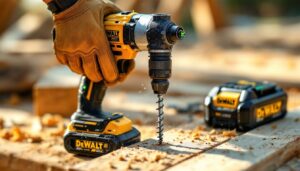
An impact driver is a compact, high-torque tool designed specifically for driving screws and bolts into wood, metal, and composite materials. It uses rotational impacts, short, rapid bursts of force, to power fasteners home without camming out or stripping screw heads. Unlike a standard drill, which applies constant rotational force, an impact driver delivers concussive blows in the direction of rotation, making it far more effective for dense materials and long fasteners.
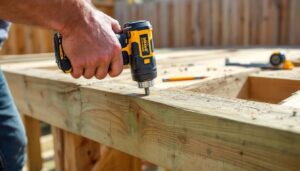
Most impact drivers accept 1/4-inch hex bits that lock into a quick-release chuck. This makes swapping bits fast, but it also limits you to hex-shank accessories. You’ll use an impact driver for tasks like building decks, framing walls, driving lag screws into joists, assembling furniture, and any job where you’re sinking dozens (or hundreds) of screws. The tool’s compact size and inline design make it easy to work in tight spaces, inside cabinets, between studs, or overhead.
Impact drivers typically deliver between 1,400 and 1,800 inch-pounds of torque, which is more than enough to drive a 3-inch deck screw through pressure-treated lumber without pre-drilling. They’re loud, expect a rapid staccato that sounds like a small jackhammer, but that noise is the sound of efficiency. Wear hearing protection if you’re driving fasteners for more than a few minutes.
For most DIYers, an impact driver becomes the go-to tool once they own one. It’s faster than a drill for driving screws, less likely to strip heads, and doesn’t torque your wrist when a fastener binds. If your project involves fasteners and not drilling precise holes, this is the tool to reach for.
What Is an Impact Wrench and What Makes It Different?
An impact wrench (sometimes called an impact gun) is a heavy-duty tool designed to loosen and tighten nuts and bolts, think lug nuts, suspension components, and machinery assembly. It delivers significantly more torque than an impact driver and uses a square drive (typically 1/2-inch, 3/8-inch, or 1/4-inch) to accept sockets, not hex bits. The tool’s primary job is automotive and mechanical work, not carpentry or general fastening.
Impact wrenches generate anywhere from 200 to over 1,000 foot-pounds of torque, depending on the model. That’s exponentially more power than an impact driver. For context, removing a lug nut torqued to 100 foot-pounds by hand requires a breaker bar and significant leverage, an impact wrench breaks it loose in under a second. Cordless models have become more common and capable in recent years, but pneumatic (air-powered) impact wrenches still dominate professional garages due to their sustained power output.
You’ll recognize an impact wrench by its pistol-grip design and the square anvil sticking out of the nose. This makes it bulkier than an impact driver, but the design offers better control when working on wheels, engines, or heavy equipment. The tool’s hammering mechanism is similar to an impact driver’s, but the output is optimized for rotational force on threaded fasteners rather than driving screws into material.
For the average homeowner, an impact wrench is overkill unless you regularly rotate your own tires, work on cars, or maintain outdoor equipment like lawn tractors. It’s a specialized tool that excels in its niche but doesn’t replace the versatility of an impact driver for general home projects.
Key Differences Between Impact Wrenches and Impact Drivers
The impact driver vs impact wrench debate isn’t about which tool is better, it’s about which one matches the fasteners and materials you’re working with. Here’s where the two tools diverge in practical, measurable ways.
Torque and Power Output
Torque is the defining difference. Impact drivers max out around 1,800 inch-pounds, which translates to roughly 150 foot-pounds. That’s enough to drive lag screws, structural fasteners, and just about any screw a DIYer will encounter. Impact wrenches, on the other hand, start where impact drivers end, entry-level models deliver 200 foot-pounds, and professional versions can exceed 1,000 foot-pounds.
This power gap matters when you’re dealing with high-torque applications. Removing a rusted lug nut torqued to 100 foot-pounds? An impact driver won’t budge it. Driving a 6-inch structural screw into a doubled-up 2×10 header? An impact wrench would work, but it’s like using a sledgehammer to hang a picture frame, you’d risk over-torquing and stripping threads.
The difference between impact wrench and impact driver also shows up in control. Impact drivers are designed for precision in construction environments, allowing you to stop driving when the screw head sits flush. Impact wrenches deliver brutal, sustained force that’s harder to modulate, which is why they’re paired with torque sticks or digital torque settings in professional settings. Many modern home renovation tutorials demonstrate why matching tool power to fastener size prevents damage and ensures structural integrity.
Chuck Type and Compatible Fasteners
The chuck type determines what accessories each tool accepts, and this is where the impact wrench vs impact driver distinction becomes very practical. Impact drivers use a 1/4-inch hex chuck that accepts any hex-shank bit, driver bits, drill bits, nut drivers, and specialty bits like step drills or augers (though drilling isn’t the tool’s strong suit).
Impact wrenches use a square drive anvil, most commonly 1/2-inch for automotive work, though 3/8-inch and 1/4-inch versions exist for smaller fasteners. You attach sockets to this anvil using a friction ring or detent pin. This system is optimized for sockets, not bits, and it’s designed to handle the lateral forces that come with turning nuts and bolts.
You can buy socket adapters for impact drivers and hex-shank adapters for impact wrenches, but these workarounds sacrifice stability and safety. A socket on a 1/4-inch hex adapter will wobble under load and risks snapping the adapter or damaging the fastener. Similarly, hex bits in a square-drive adapter won’t seat securely and can strip under the high torque of an impact wrench. Tools like those reviewed by experts in power tool comparisons emphasize that using the right chuck for the job isn’t optional, it’s a safety issue.
Which Tool Should You Choose for Your Home Projects?
For most homeowners and DIYers, the impact driver is the better first investment. It handles the bulk of fastening tasks around the house: mounting cabinets, building furniture, installing decking, hanging drywall, assembling shed frames, and driving concrete anchors. It’s light, maneuverable, and doesn’t require a compressor or dedicated socket set. Pair it with a quality cordless drill for boring holes and you’ve covered 90% of typical home projects.
You should consider an impact wrench if you:
- Rotate your own tires seasonally or work on vehicles regularly
- Maintain outdoor power equipment (lawn tractors, snowblowers) with frequent nut-and-bolt assembly
- Build or repair heavy structures like metal gates, trailer frames, or farm equipment
- Want to avoid the manual labor of a breaker bar for stubborn fasteners
If you’re budget-conscious, skip the impact wrench initially. A good torque wrench and socket set will handle occasional automotive tasks, and many homeowner advice resources recommend borrowing or renting specialty tools for one-off jobs rather than buying equipment that sits idle.
That said, cordless impact wrenches have dropped in price and increased in capability. Mid-tier models now deliver 400+ foot-pounds of torque, enough for most car and truck maintenance, without the bulk of a pneumatic setup. If you do your own brake jobs, suspension work, or wheel swaps, a 1/2-inch cordless impact wrench pays for itself in time and knuckle skin saved.
Safety note: Both tools produce significant torque. Always wear safety glasses to protect against flying debris, and use hearing protection, impact tools are loud enough to cause hearing damage with prolonged exposure. Don’t over-tighten fasteners, especially in softer materials like pine or drywall, where excessive torque can strip threads or crack the material. When working overhead, secure the tool with a wrist strap to prevent drops.
Conclusion
The difference between impact driver and impact wrench isn’t subtle, it’s a matter of chuck design, torque output, and intended application. Impact drivers dominate the world of screws, bolts, and general fastening in wood and metal. Impact wrenches rule automotive and heavy mechanical work where high torque on nuts and bolts is non-negotiable. Choose based on the fasteners you’ll encounter most, and you’ll own the right tool for the job instead of fighting with the wrong one.